
TL;DR: Repairing an LED sign is often worthwhile when damage is minor and the display remains reliable. However, frequent breakdowns, outdated parts, and declining performance may make replacement a better long-term investment.
Key Takeaways
Your LED sign is flickering, showing dark sections, or losing its brightness, making it harder to attract customers. The question is whether a simple repair will fix the problem or if it’s time for a replacement.
Replacing a commercial LED sign can be expensive, but repeated repairs can also drain your budget. Making the right LED sign repair vs replacement decision means weighing repair costs, display condition, and long-term performance.
Not every LED sign malfunction calls for replacement, since some issues affect only individual components. Other problems may involve serious electrical or structural damage, so a professional diagnosis is essential before choosing repairs.
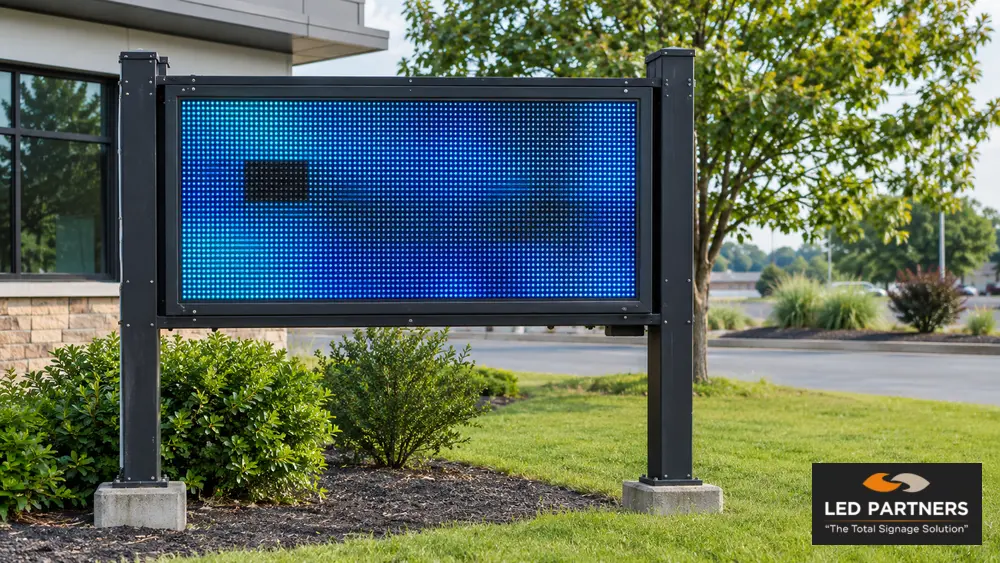
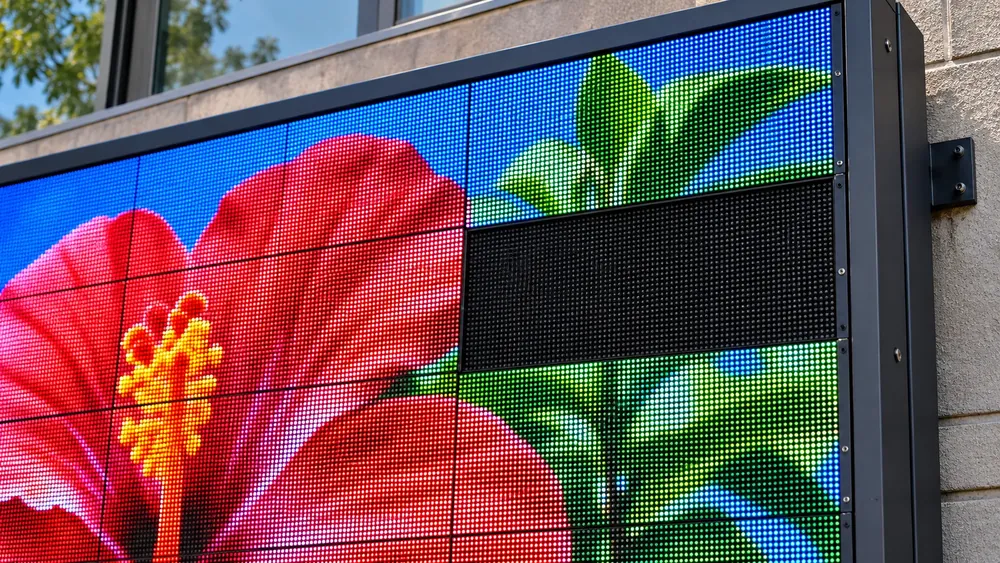
A flickering display or a cluster of dead pixels can make your sign look neglected, particularly when customers see it from the road. These symptoms may result from faulty LED modules, damaged connections, unstable power supplies, or problems with the display’s control system.
When the issue affects only one section, replacing the damaged component may restore normal operation. However, widespread failures across multiple sections could indicate a problem requiring more extensive repairs.
Sometimes, the display itself isn’t the problem. Faulty power supplies, communication interruptions, incorrect settings, or software errors can prevent an otherwise functional sign from showing content properly.
For example, a display that appears completely blank might have lost its communication connection rather than suffered a complete hardware failure. Checking the controller, power supply, and communication system can help identify the cause before major repairs are considered.
Outdoor LED signs face constant exposure to heat, humidity, rain, dust, and temperature changes. Over time, these conditions can affect electrical connections, seals, ventilation systems, and internal components.
Water intrusion deserves particular attention because replacing a damaged part won’t solve the problem if moisture continues entering the cabinet. A thorough inspection should identify the source of the damage and determine whether the enclosure can still protect the equipment.
Repairing your LED sign often makes sense when the problem affects only one component and the rest of the display works well. For example, replacing a faulty LED module can restore your sign without the expense of a complete replacement.
Repairs generally make sense when:
Still, a successful repair should address the cause of the malfunction, not just its visible symptoms. Replacing a failed power supply without investigating repeated overheating, for example, may leave the underlying problem unresolved.
Even a well-maintained LED sign eventually reaches a point where repairing individual components becomes less practical. Recognizing that point can prevent repeated spending on a system that no longer performs as expected.
Occasional repairs are normal for outdoor LED signs, especially when weather and continuous operation gradually wear down components. However, multiple service calls involving different components may indicate that the system is deteriorating.
Look at how much you’ve spent on repairs over the past year, including labor and downtime. If expenses continue increasing without restoring dependable performance, replacing the display deserves serious consideration.
Older LED signs often use parts manufacturers no longer make, making compatible replacements difficult to find. Repairs can also become costly when the original supplier no longer supports the system.
Even when newer modules fit your sign, differences in brightness, color, or image quality may still be noticeable. If matching parts aren’t available, replacing the display may be more practical than repairing it.
As LED signs age, fading brightness and uneven colors can make promotions harder to read, especially in daylight. If your display no longer represents your business well, a newer sign may offer better visibility and clarity.
Severe corrosion, damaged mounts, or recurring water leaks may make replacing your LED sign the safer choice. Have a professional assess the damage before deciding whether repairs can restore safe operation.
The cheapest immediate option isn’t always the most economical decision. A repair may have a lower upfront price, but repeated failures can increase total ownership costs over time.
Here’s how the two options generally compare:
| Factor | Repair | Replacement |
|---|---|---|
| Initial expense | Usually lower for isolated failures | Higher upfront investment |
| Downtime | Often shorter when parts are available | May involve manufacturing and installation time |
| Performance | Restores existing capabilities | May improve brightness, resolution, and controls |
| Future maintenance | Depends on the condition of older components | New equipment still requires maintenance |
| Warranty | Coverage depends on the repair and parts | New equipment may provide broader warranty coverage |
| Long-term value | Strong when the remaining system is reliable | Stronger when the old system has significant limitations |
A small repair may be worthwhile if it restores reliable performance, while costly fixes on an outdated sign may only delay replacement. Compare itemized estimates for parts, labor, equipment access, and replacement expenses, including removal, permits, and electrical work.
Age matters, but usage, weather exposure, and maintenance often reveal more about your LED sign’s condition. A well-maintained older sign may outperform a newer display exposed to harsh conditions.
Review previous service records and look for patterns. Repeated failures involving the same component might indicate an unresolved issue, while different failures across the system could suggest broader deterioration.
Ask whether replacement components are readily available and whether they will match the existing display. Limited availability can increase repair costs and make future maintenance unpredictable.
A proper diagnosis should identify what caused the malfunction and explain how the recommended repair addresses it. If the issue involves moisture intrusion, overheating, or electrical damage, replacing one component may not provide a lasting solution.
Consider whether the display remains readable from the intended viewing distance, supports your content, and operates reliably during business hours. If your advertising needs have changed significantly, replacement may provide benefits beyond fixing the current malfunction.
A professional LED sign inspection helps determine whether repair or replacement makes more sense. A technician checks key components, electrical systems, and potential damage to identify the problem.
Depending on the display, the inspection may include:
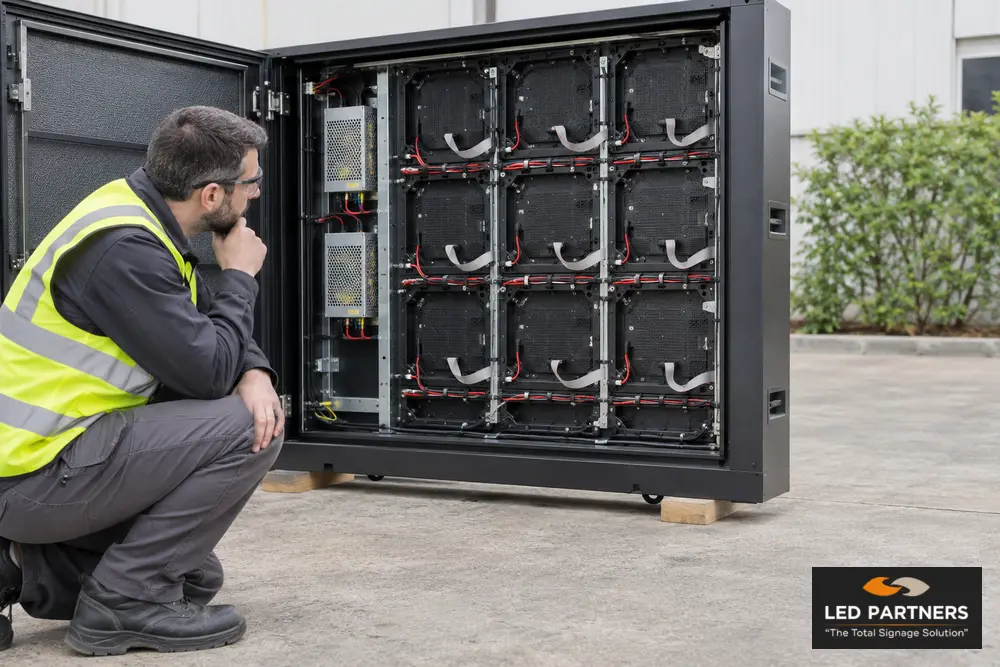
Regular maintenance helps keep your LED sign reliable, whether you’ve repaired it or installed a new one. Have a technician check ventilation, cabinet seals, wiring, and display performance to catch problems early.
Keep records of repairs and recurring issues to spot rising maintenance costs. Follow the manufacturer’s brightness and operating recommendations to reduce unnecessary wear.
Knowing the cause of your LED sign’s problems helps you decide whether a repair or replacement makes sense. At LED Partners, we assess malfunctioning displays and help businesses understand their options.
Our Houston-based team provides LED sign repairs, maintenance, outdoor signage, and installation services for businesses, schools, churches, and sports facilities. We recommend practical solutions based on your display’s condition and needs.
Repeated repairs can add up, especially when your LED sign flickers, dims, or keeps failing. At LED Partners, we’ll assess your display and explain whether repair or replacement makes more sense.
Contact LED Partners today!